Posted on

From Mat to Oasis: Transforming a Room into a Yin Yoga Haven

The art of putting together a Yin Yoga sanctuary, where the power of the environment meets the tranquility of practice, can be challenging. As a result, in this unique journey, we’ll explore the intricate details of curating a space that fosters serenity and mindfulness, enabling you to immerse yourself fully in the transformative world of Yin Yoga. From selecting the right space to adding personal touches, we’ll guide you through each step, ensuring that you are successfully transforming a room into a Yin Yoga haven!

Understanding Yin Yoga Therapy

In Yin Yoga Therapy we hold passive poses for longer time. In it, postures stretch and apply pressure to the body’s deep connective tissues, allowing for greater flexibility and joint mobility. Doing so enhances circulation, soothes the nervous system, and fosters relaxation. This style of yoga specifically encourages mindfulness and patience, promoting mental tranquility. But more than that we create the space to cultivate a free chi flow in our body and energy healing with the power of our intention. Yin Yoga Therapy works with the meridian energy channels, acupressure points and activate ones inner self-healing abilities.

It’s ideal for those seeking a therapeutic practice energetically, but also to alleviate stress, chronic pain or recover from injuries. To use it effectively, remember to embrace the stillness, focus on your breath, and considering mindfulness principles, gradually deepen your stretches. Don’t hesitate to incorporate it into your routine to experience its holistic benefits and cultivate a sense of overall well-being!

Transforming a room into a Yin Yoga haven: Choosing the right room

Choosing the right room can be tricky, as you’ll be transforming a room into a Yin Yoga haven. Firstly, assess the available space in your home, ideally picking a room that offers peace and tranquility. Natural light and ventilation play a significant role, too, as they enhance the overall ambiance, fostering a soothing environment.

Minimizing distractions in your chosen room is important, so remove electronic devices or anything that may divert your focus. Of course, there are solutions if you simply don’t have where to put your belongings once you’ve cleared out a room for your yoga haven. For instance, have you thought about renting storage, either temporary or semi-permanent since there are plenty of affordable storage options you can choose from. Renting storage provides a secure and organized space for excess items, ensuring your yoga haven remains tranquil and uncluttered. In addition, it offers the flexibility to retrieve or store different items as your needs change without disrupting the peaceful atmosphere of your dedicated yoga space.

A very spacious space transformed into an exercise haven
Give yourself as much space as you think you need!

Selecting Yin Yoga props

Selecting Yin Yoga props is about creating a comfortable and supportive environment for your practice. Essential props include yoga blocks, bolsters, and blankets, each serving a unique purpose. Blocks and bolsters provide added cushioning and comfort during long holds

Meanwhile, blankets can be used to pad sensitive areas or provide warmth. Also, incorporate aroma therapy using essential oils or scented candles to enhance the soothing atmosphere. The choice of props should align with your specific needs and body type, ensuring a safe and nurturing practice. Finally, properly storing and organizing these props in your yoga space keeps them easily accessible, allowing you to integrate them into your routines seamlessly.

Valuable yoga additions you might want to incorperate
Aroma oils to assist you in getting the most out of your practice!

Flooring and mats

To transform a room into a Yin Yoga haven, you naturally need the right flooring and mats. A comfortable, non-slip surface is paramount for stability and safety during your practice. Selecting the right mat is also important, so opt for a thicker, cushioned one to provide ample support during long-held poses. Alternatively, you can layer your mat with blankets or foam pads for comfort.

Evaluate the overall ambiance you want to create, too, and whether you want the warmth of a wooden floor, the softness of the carpet, or the ease of cleaning a laminated surface. You can experiment with different options to find what suits you best and enhances your experience. A well-thought-out combination of flooring and mats ensures you can fully immerse yourself in your practice!

Setting the right mood with lighting

Creating the perfect Yin Yoga ambiance has a lot to do with setting the right mood with lighting. Lighting is not merely functional since it cultivates a serene atmosphere! Natural light, if available, infuses your space with a gentle, uplifting energy. Opt for soft, warm artificial lighting without natural light to create a cozy and calming effect. Choose adjustable lighting options to cater to different moods and practices, too.

Candles, with their soft, flickering glow, can also add a touch of magic to your sessions. Finally, dimmer switches or smart lighting systems allow you to adjust the brightness to suit your needs easily. Lighting can influence your mental state, enhancing relaxation and focus. Therefore, experiment with various lighting setups until you find the perfect balance that aligns with your preferences.

Incorporating nature indoors

Bringing a touch of nature indoors can elevate your sanctuary to new levels of tranquility and connection. Adding plants and greenery enhances the aesthetics and contributes to a healthier indoor environment by purifying the air. Select low-maintenance plants, such as snake or peace lilies, as they thrive with minimal care. Position them strategically around your space to create a harmonious blend of nature and practice.

The presence of plants can instill a sense of peace and vitality, connecting you with the natural world even while indoors. This incorporation of nature complements the calming effects of Yin Yoga, fostering a deeper sense of serenity and mindfulness during your practice. So, add a touch of green to your haven to create a space that resonates with the tranquility of the great outdoors!

Doing yoga outside

Of course, you can occasionally exercise outside, too!

The importance of sound and music

The importance of sound and music in Yin Yoga cannot be overstated. These elements are powerful tools to enhance your practice and achieve inner peace. The right music or soothing sounds can provide a calming backdrop, helping you sink deeper into your postures and find solace. It can also guide your breath and movement, fostering a harmonious flow.

Many practitioners find that music and sounds help to create a serene atmosphere and induce relaxation, making it easier to let go of tension and stress. Incorporating meditation and mindfulness into your sessions is made more accessible with music. It is a gentle reminder to stay present and connected to your practice. As you explore the role of sound and music in exercise, you’ll discover their transformative power in elevating your practice, ultimately leading you toward inner peace and a profound sense of well-being!

Maintaining your Yin Yoga haven

Just transforming a room into a Yin Yoga haven is not enough. Regular cleaning and upkeep are helping to preserve the serenity you’ve created! Dust and clutter can accumulate over time, diminishing the peaceful ambiance. Therefore, make it a routine to clean your space and props, creating a fresh and inviting atmosphere for your practice.

Keeping the energy of the room fresh is equally important. Open windows to allow fresh air or use natural scents like lavender or eucalyptus to purify the space. As your practice evolves, so might your room’s needs. Be open to making adjustments and improvements, whether rearranging decor, adding new elements, or simply changing the layout. By nurturing your space, you ensure that it continues to be a source of solace, supporting your practice and well-being.

A sanctuary that’s perfect for your spirit

With our exploration of transforming a room into a Yin Yoga haven, we know you can handle this journey of setting up a perfect space for your unique practice and spirit. By creating a space that resonates with your soul, you’ll forge a deeper connection with yourself and the serenity of Yin Yoga! May your newly crafted sanctuary nurture your practice and inner peace for years!

Posted on

Pose of the week – Bananasana

DSC_0295 yin yoga teacher training

Stretch like a banana! Yoga helps us to create more space for the energy and oxygen to float through the body. We achieve this by not only opening the chest area, but by doing a combination of bending, twists, extensions and reversions. Stretching the sides of the body is also very important to let the energy flow, and a great way to do this is with the Bananasana.

When?

If you have tight iliobial (IT) bands from any physical activity, like running or playing sports, then this is it! The Bananasana gives a side bend to your spine and works from the IT band to the tops of the side ribs. It might seem a bit funny, but this pose can be very beneficial and therapeutic if done properly.

How?

Start by laying on your back with your legs touching the floor. On your inhale, you bring your hands overhead to the ground bringing your palms together. Move your arms and legs towards each other by moving it to the right or left, until you feel a stretch to the side of the body. Feel how you are bending like a banana towards the sun – and breathe…. Be aware that both your hips and buttocks are staying on the mat. A nice post to be held for longer, up to 5 minutes are awesome, so the whole side of your body is stretched. To come out of the pose, you simply move back and stay in a neutral rebound of a bit before you come all the way to the other side.

Benefits
  • Stretches the whole body
  • Opens the ribs and chest area
  • Stretches stomach muscles and intercostal muscles
  • Works on iliotibial band
  • Meridian lines of the Gall Bladder are addressed on our side, and the Heart, Lungs and Intestines are stimulated along the arms
Posted on

Why Yin Yoga and Sound Healing Are the Perfect Couple

Today, the significance of holistic practices can’t be overstated. Yin Yoga, as deep and introspective form of yoga, focuses on connective tissues and fosters prolonged relaxation. On the other hand, Sound Healing uses ancient techniques to harmonize the body and mind using resonant instruments. Together, they form a transformative duo, amplifying each other’s therapeutic benefits. It’s no wonder that many claim Yin Yoga and Sound Healing are the perfect couple, offering a synergy that bridges ancient wisdom with modern wellness needs.

Dive into the Deep Stretch

Yin Yoga invites practitioners to delve into prolonged, passive stretches, often held for several minutes. This form of yoga is designed to target the body’s deeper layers, particularly the fascia and connective tissues, rather than just the superficial muscles. Such deep stretches can have manifold benefits. They improve flexibility, foster a deeper sense of relaxation, and facilitate the release of physical and energetic blockages. Focusing on these connective structures enhances joint mobility and allows for a profound internal journey, promoting overall wellness and balance.

Echoes of the Ancient Practices

Sound Healing traces its roots back thousands of years across various cultures and civilizations. Its therapeutic methods utilize instruments like Tibetan bowls and gongs to produce vibrations and frequencies that resonate with the body’s natural rhythms. These sonic waves offer more than just auditory pleasure. Also, they can induce states of deep relaxation, stimulate healing processes, and balance both emotional and physical well-being. With a rich history and proven benefits, this remains a testament to the timeless belief in the profound curative power of sound, bridging the gap between age-old traditions and modern therapeutic techniques.

Yin Yoga and Sound Healing Are the Perfect Couple

The symphony between Yin Yoga and Sound Healing lies in their shared goal of fostering relaxation and releasing tension. The first one delves deep into the body, targeting physical knots and stress points. The second uses specific frequencies to harmonize the mind, creating an atmosphere conducive to relaxation. When combined, the passive stretches, alongside the soothing frequencies from sound instruments, amplify relaxation. This leads to an enhanced therapeutic experience. Their synergistic relationship stems from this harmonization, as each practice boosts the other’s efficacy, offering a deeper, more immersive therapeutic journey that resonates internally and externally.

Enhanced Meditation

Enhanced meditation takes form as both practices intertwine, guiding practitioners on a journey that seamlessly blends sound and stillness. Yin Yoga’s meditative properties lay the foundation for introspection, inviting individuals to connect with their inner selves through gentle postures. When complemented by Sound Healing, the depth of meditation deepens even further. The resonating tones and vibrations from sound instruments create an immersive auditory environment that amplifies mindfulness, allowing practitioners to delve into a realm of heightened tranquility. This combined approach provides a multi-dimensional experience.

Balance and Harmony

Balance and harmony are achieved by tapping into the dual energies that govern our existence, as observed in the concept of Yin and Yang. According to research by fitness pros at DubaiPT, the equilibrium between these energies is essential for overall well-being, with 70% of individuals experiencing improved health when these forces are aligned. In this context, these two practices play pivotal roles. Through its deep and reflective approach, Yin Yoga aligns with Yin energy, fostering relaxation and introspection. Meanwhile, Sound Healing, with its resonating frequencies, serves as a harmonizing force, restoring balance to both physical and emotional aspects.

Emotional Release

Emotional release extends beyond physical healing, delving into the profound connection between our emotions and bodily states. Often, emotions become trapped within us, leading to tension and discomfort. Fortunately, holistic practices offer pathways to liberation. One approach, embraced by various research studies, involves the release of pent-up emotions through specific practices. For instance, as studied by wellness experts, deep stretching and passive postures can help unlock these emotional blockages, fostering a sense of relief, inner peace, and mental clarity. Additionally, using sound frequencies, a technique validated by psychological studies is a powerful tool for emotional catharsis. This multi-faceted approach allows individuals to embark on a holistic journey of self-discovery.

Creating a Sacred Space

In holistic practices, the environment in which one engages holds remarkable significance. Creating a sacred space is integral to cultivating a deeply transformative experience. The research underscores the influence of surroundings on our well-being. By curating spaces that exude tranquility and serenity, practitioners can establish an atmosphere that resonates with healing energy. Be it through soft lighting, soothing aromas, or carefully selected decor; the right ambiance can magnify the benefits of these practices. When the environment aligns with the intention of curing, it becomes a conduit for enhanced physical and emotional outcomes, underlining the inseparable relationship between our surroundings and inner well-being.

Personal Experiences: Testimonies of Transformation

Personal experiences are powerful testimonies to the transformative union of the two practices. Practitioners from diverse walks of life share remarkable accounts of how this harmonious pairing has catalyzed profound changes. Through dedicated practice, individuals have reported a spectrum of positive shifts, from heightened relaxation and improved emotional balance to elevated levels of self-awareness. These real-life narratives are compelling evidence of how Yin Yoga and sound healing are the perfect couple, merging ancient wisdom and contemporary practices to bestow a holistic and life-altering journey upon those who embark on it.

Incorporating Both Practices into Daily Life

Embracing the fusion of these practices into daily life is a journey that holds immense potential for holistic well-being. For those intrigued by the concept, starting with a balanced approach is key. Consider beginning with short sessions that gradually integrate both components. Online platforms and local classes offer an array of resources to aid in the initiation. Finding a suitable class or instructor, backed by research, can facilitate a seamless immersion into this transformative journey. Most importantly, sustaining benefits involves consistency. Allocating dedicated time, even if brief, and integrating the practice into daily routines guarantees the lasting impact of this harmonious blend on the path to a more balanced and fulfilled life.

As their popularity continues to soar, the harmonious synergy emerges as a beacon of holistic wellness. We encourage you to embark on this transformative journey. Experience firsthand how Yin Yoga and sound healing are the perfect couple. Embrace their magical partnership for a profound exploration of inner balance.

Posted on

Healing Potential of Yoga Nidra

Finding time to unwind and rejuvenate in our fast-paced modern lives becomes increasingly important. Yoga Nidra, an ancient practice known as “yogic sleep,” offers a profound healing potential that is gaining popularity among people seeking to achieve inner peace and emotional well-being. This blog post will guide you through the concept of Yoga Nidra, explain how to practice it, and delve into the amazing healing potential of Yoga Nidra. Whether you’re a seasoned yogi or a curious beginner, read on to uncover the transformative power of this practice.

Understanding the Concept of Yoga Nidra

Yoga Nidra is a state of deep relaxation achieved through guided meditation. The practice involves reaching a state between wakefulness and sleep, where your mind remains conscious while your body relaxes deeply. By entering this state, you can access your subconscious mind and unlock the profound healing potential of Yoga Nidra.

How to Practice Yoga Nidra

Find a Comfortable Space

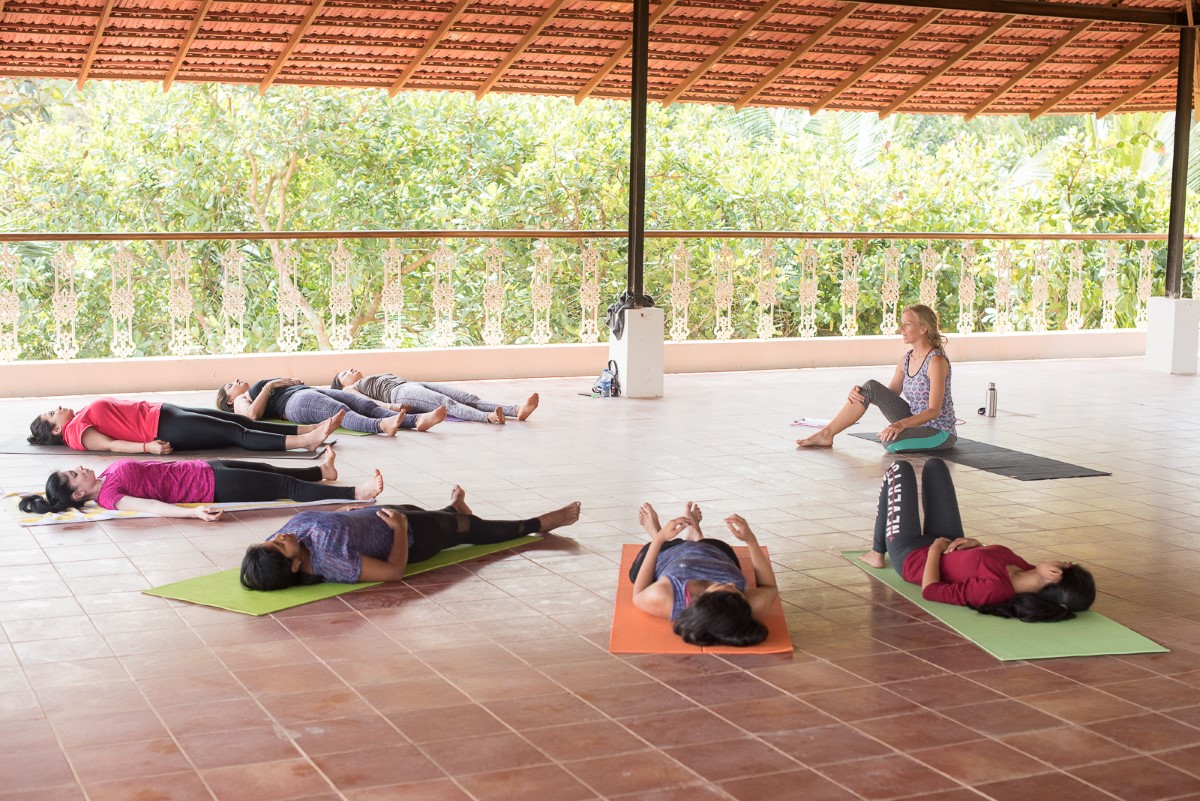
To begin your practice, find a quiet and peaceful spot where you won’t be disturbed. Lie down on your back with your arms at your sides, palms facing up, and legs slightly apart.

Set an Intention

Before starting, set a clear intention for your practice. Whether it’s stress relief, emotional healing, or personal growth, stating your purpose will enhance the effectiveness of the practice.

Follow the Guided Meditation

Listen to a Yoga Nidra guided meditation. The instructor will lead you through a series of visualizations, breath awareness, and body scanning techniques.

Allow Yourself to Let Go

As you practice, surrender any attachment to thoughts or emotions. Simply observe without judgment and embrace the present moment with openness.

yin yoga certification last practice

10 Healing Benefits of Yoga Nidra

No. 1 Stress Reduction

In our busy lives, stress can accumulate and take a toll on our well-being. Yoga Nidra activates the parasympathetic nervous system, triggering the relaxation response. That helps reduce stress hormones like cortisol, leading to a calmer mind and body. That, in turn, makes finding balance in your life much easier.

No. 2 Enhanced Sleep Quality

any people struggle with sleep disorders and insomnia due to the constant buzz of modern life. By calming the mind and body, regular Yoga Nidra practice can improve sleep patterns, allowing you to wake up refreshed and rejuvenated.

No. 3 Anxiety and Depression Relief

This practice holds incredible potential for managing anxiety and depression, empowering individuals to explore their consciousness and address underlying emotional issues. By cultivating self-awareness, one can recognize triggers and patterns that fuel negative emotions and respond to them with clarity and control. This guided meditation induces deep relaxation, reducing stress hormones and providing a safe space to detach from daily chaos. Embracing self-compassion and letting go of self-criticism fosters inner peace and emotional well-being. With consistent practice, Yoga Nidra becomes a transformative journey, offering the tools to overcome challenges and find emotional freedom amidst anxiety and depression.

No. 4 Heightened Awareness and Creativity

Yoga Nidra enhances cognitive function, improving focus, memory, and creativity. Regular practice can help you approach tasks with a clear and focused mind, leading to increased productivity and a heightened sense of creativity.

No. 5 Emotional Balance

Emotions are integral to human existence, but they can sometimes overwhelm us. Yoga Nidra encourages you to explore the depths of your consciousness, gaining insights into your emotions and fostering emotional balance. This practice teaches us to embrace our emotions without judgment, acknowledging that they are a natural part of life. By diving deep into our feelings during these sessions, we can better understand ourselves and cultivate a sense of emotional equilibrium. Through this process of exploration and acceptance, we learn to navigate the highs and lows of our emotions with greater ease and find a harmonious state of emotional well-being.

No. 6 Pain Management

Chronic pain can be debilitating and impact daily life. Some studies show that this ancient practice can effectively reduce pain and improve pain tolerance. You can find relief from physical discomfort by redirecting your focus away from pain and towards relaxation. During Yoga Nidra, the deep state of relaxation activates the body’s natural healing mechanisms, promoting a sense of comfort and ease.

No. 7 Immune System Boost

Stress weakens the immune system, making us susceptible to illnesses. The relaxation response triggered by Yoga Nidra helps activate your immunity, enabling your body to fight off infections and diseases better. Regular practice can lead to a strengthened immune system, providing a natural defence against common ailments and reducing the risk of chronic illnesses. By allowing your body to enter a state of deep relaxation, you support the production of immune-boosting cells, such as T-cells and white blood cells, which play a crucial role in protecting your body from harmful pathogens. This immune-boosting effect enhances your physical health and contributes to a greater sense of overall well-being and vitality.

No. 8 Addiction Recovery

One of the most profound healing benefits of Yoga Nidra is its contribution to addiction recovery. Guided meditation can help individuals develop a deeper understanding of their cravings and triggers, providing them with the tools to navigate challenges more effectively on the path to recovery. Moreover, for someone recovering from substance abuse, this practice can assist in addressing the underlying emotional issues that may have contributed to addiction, aiding in healing and breaking the cycle. Nevertheless, if the issue is severe, you must seek help from a specialized recovery centre like archstonerecovery.com.

No. 9 Release of Tension

Physical, mental, and emotional tensions can accumulate, affecting overall well-being. Through Yoga Nidra, you can release these tensions and achieve a profound sense of relaxation and tranquillity.

No. 10 Spiritual Growth

For those on a spiritual journey, this ancient practice provides a powerful tool for self-discovery and connecting with one’s higher self. It enables you to explore your inner depths, fostering a sense of inner peace and spiritual growth.

yin yoga teacher training shala with a view 2

Conclusion on the Healing Potential of Yoga Nidra

As you can see, the healing potential of Yoga Nidra is incredible. It benefits the mind, body, and spirit. By integrating this guided meditation into your daily routine, you can experience stress reduction, improved sleep quality, emotional balance, and heightened self-awareness. Whether seeking relief from anxiety and depression or exploring addiction recovery, Yoga Nidra can become your trusted companion on the journey to inner peace and wellness. So, take a deep breath, lie down, and let the healing unfold. Namaste.

Meta Description: Unlock the healing potential of Yoga Nidra! Discover inner peace, manage anxiety, and find emotional balance in just one practice.

Posted on

Mindfulness & Yin Yoga: A Path to Serenity in Your Work Life

Mindfulness & Yin Yoga: A Path to Serenity in Your Work Life

Amidst the fast-paced nature of modern work settings, where attaining inner tranquility may seem like an elusive quest, the guidance of a skilled yoga guide becomes invaluable. The ceaseless demands, deadlines, and pressures of the job can leave us feeling overwhelmed and stressed. By taking the time to cultivate awareness and care for your physical and mental well-being, you can transform your work experience and lead a more balanced, fulfilling life.

Understanding Mindfulness

Mindfulness is the practice of intentionally bringing our attention to the present moment without judgment. It allows us to cultivate awareness of our thoughts, emotions, and bodily sensations. By embracing mindfulness in our life, we can become more focused, engaged, and resilient.

Incorporating mindfulness practices into our daily routine can be transformative. Simple techniques such as mindful breathing, body scans, and taking short mindfulness breaks throughout the day can help us reduce stress, increase clarity, and enhance our overall well-being.

Exploring Yin Yoga

Yin Yoga is a gentle and meditative form of yoga that targets the deep connective tissues of the body. Unlike more dynamic yoga styles, Yin Yoga involves holding poses for an extended period, usually between three to five minutes. This practice helps release tension and stress stored in the body, promoting relaxation and flexibility.

By incorporating Yin Yoga into our work breaks, we can experience a profound shift in our energy and mindset. Yin Yoga poses such as the Child’s Pose, Caterpillar, and Butterfly Pose are particularly effective in calming the nervous system, relieving tension in the neck and shoulders, and promoting a sense of inner peace.

Bringing Mindfulness and Yin Yoga to Your Work Life

To bring mindfulness and Yin Yoga into your work life, consider the following tips:

Mindfulness at Work:

  • Start your day with a few moments of mindful breathing.
  • Take short breaks throughout the day to check in with yourself and recenter.
  • Practice active listening during meetings and conversations.
  • Use mindful eating to savor your meals and bring awareness to the nourishment you provide your body.

Yin Yoga during Work Breaks:

  • Set aside a dedicated space in your workplace for a mini yoga session.
  • Choose a few Yin Yoga poses that target areas of tension and discomfort.
  • Incorporate gentle stretches and movements to counteract prolonged sitting.
  • Use guided meditation or soothing music to enhance the relaxation experience.

Creating a Serene Work Environment:

  • Declutter your workspace to promote a sense of calm and focus.
  • Introduce elements of nature such as plants or natural light to create a soothing atmosphere.
  • Use aromatherapy with calming scents like lavender or eucalyptus.
  • Incorporate soothing visuals, such as nature photographs or peaceful artwork.

Benefits of Mindfulness and Yin Yoga in Work Life

By embracing mindfulness and Yin Yoga in your work life, you can experience a wide range of benefits:

  • Increased Focus, Productivity, and Creativity: Mindfulness helps sharpen your focus and enhances cognitive abilities, allowing you to work more efficiently and creatively.
  • Stress Reduction and Improved Well-being: Both mindfulness and Yin Yoga help lower stress levels, promote relaxation, and improve overall well-being.
  • Enhanced Work-Life Balance: By integrating these practices into your daily routine, you can create a healthier work-life balance, reducing burnout and increasing job satisfaction.

Incorporating mindfulness and Yin Yoga into your work life is a powerful way to find serenity amidst the demands of your job.

Through the harmonious fusion of mindfulness, Yin Yoga, and the expertise of a yoga instructor, we unlock a potent synergy that empowers us to navigate the trials of work life while fostering a deep sense of peace. Embark on a transformative journey alongside the esteemed specialists at Jooble as we explore the profound impact this powerful combination has on the realm of work.

Start small, be consistent, and witness the positive impact these practices can have on your work and overall sense of serenity.

Posted on

Why Yin Yoga and Aroma Therapy Make a Perfect Match

When achieving holistic wellness, Yin Yoga and Aroma Therapy make a perfect match. Together, these two therapies combine to form an optimal approach to health that focuses on balance, relaxation, and rejuvenation. But why exactly are they so harmonious?

Here at Yin Yoga Therapy we aim to delve deeper into the captivating world of the two practices and offer you insight in our AromaYin program.

The Synergy of Tranquility: What Makes Yin Yoga and Aroma a Perfect Match?

Yin Yoga is a slow-paced style emphasizing postures for longer durations. The aim? Working the deeper layers of the body – the fascia, joints, and connective tissues. On the other hand, Aroma Therapy utilizes aromatic essential oils extracted from plants to promote physical and psychological well-being. Together, these therapies provide a unique wellness routine focusing on mind, body, and spirit.

Diving deeper, here are six compelling reasons why Yin Yoga and Aroma Therapy make a perfect match, leading to a harmony that fosters physical and emotional well-being. From their unique benefits to how they interact and enhance one another, let’s learn more about this incredibly beneficial synergy.

1. An Augmented Mind-Body Connection

In Yin Yoga, the slow-paced postures held over extended periods prompt us to listen to our bodies more keenly. This heightened body awareness teaches us to tune into the subtle sensations, fostering a deeper mind-body connection.

Meanwhile, Aroma Therapy serves as an additional sensory stimulant. With carefully chosen essential oils, such as calming lavender or the invigorating peppermint, our sense of smell gets engaged, bridging the gap between the physical and mental realms.

The resulting multi-sensory experience weaves together the tangible and intangible aspects of well-being, creating a heightened sense of awareness and mindfulness. It’s a tried and true way to achieve inner peace and properly relax.

2. The Synergy of Healing Properties

Through its focus on connective tissues and fascia, Yin Yoga catalyzes our body’s intrinsic healing mechanisms. The meditative practice targets the deeper tissues, often neglected in faster-paced forms of exercise, promoting flexibility, mobility, and healing.

Simultaneously, Aroma Therapy brings a bouquet of essential oils with diverse healing properties. For instance, eucalyptus oil, known for its anti-inflammatory benefits, can aid the physical healing processes stimulated by Yoga.

The combined power of these two therapies amplifies their individual healing effects. That ultimately leads to more holistic recovery and rejuvenation.

3. Harmonizing the Energy Flow

Yin Yoga is rooted in the traditional Taoist concept of Qi, or life force, that flows through meridian lines in our body. Yin Yoga aims to stimulate these lines, unblocking and balancing the Qi.

In parallel, Aroma Therapy can work on our energy levels too. Certain essential oils, such as citrusy lemon, are believed to help balance our life force.

When we practice Yin Yoga in an environment imbued with such aroma, the beneficial impact on our energy flow is twofold, thus leading to a balanced, harmonized state of being.

AYin and Yang simbol on a paper.
4. Facilitating Emotional Release

Yin Yoga allows us to tap into the reservoirs of stored emotions often tucked away in our body’s nooks and crannies. The meditative nature of this type of Yoga allows for emotional release in a controlled, safe manner.

A more profound emotional catharsis can occur when paired with emotionally supportive essential oils such as rose or ylang-ylang, known for their uplifting and soothing properties.

Thus, combining the two provides a nurturing space for emotional healing. You’ll be able to dig deeper into your consciousness and work on your healing in a safe and relaxing environment.

5. Inducing Profound Relaxation

The slow, soothing movements of Yin Yoga are akin to a whispering lullaby, lulling our bodies into a state of profound relaxation. When we enhance this tranquillity with the calming essence of chamomile or the grounding aroma of frankincense, we allow ourselves to dive deeper into this relaxation.

That deepened peace proves especially beneficial as part of relaxing after major or stressful events. For instance, if you research post-move relaxation ideas, you’ll likely find this combination. The combination of Yin Yoga and Aroma Therapy helps us destress after the move and embrace the calming energy of our new surroundings.

Woman doing the butterfly yoga pose.
6. Elevating Meditation Experience

Another reason the two make a perfect match is their ability to elevate meditation experiences. Yin Yoga inherently creates a meditative environment with its quiet, reflective nature.

On the other hand, Aroma Therapy, with certain essential oils like frankincense and sandalwood, can deepen this meditative state by soothingly stimulating our senses.

This pairing, hence, provides an enriched setting for meditation, fostering enhanced focus and introspection. It further emphasizes the benefits of using essential oils for your yoga practice.

yin yoga vajrasana
7. Promoting Quality Sleep

Lastly, the potent combination of Yin Yoga and Aroma Therapy can significantly improve sleep quality. With its stress-relieving and relaxation-inducing properties, Yin Yoga already lays the groundwork for a good night’s sleep.

Incorporating essential oils known for promoting sleep into your routine, such as lavender, enhances your ability to fall and stay asleep. Thus, combining the two is a natural and effective remedy for those grappling with sleep issues.

The Perfect Match

In conclusion, or rather, celebrating the perfect union of Yin Yoga and Aroma Therapy, we see how they beautifully support each other. When paired, they amplify each other’s benefits, enhancing healing, balanced energy, emotional release, deep relaxation, and improved sleep.

Indeed, the two make a perfect match, leading us on a holistic path to health and wellness. Suppose you seek ways to destress and invite serenity into your life; consider integrating these two therapies into your routine. Trust us; you’ll instantly experience benefits and wonder why you haven’t tried it earlier.

Posted on

Reiki for Stress Relief: How It Can Help You Relax

Yin Yoga and Reiki

Reiki is a method of improving health by using universal life energy. It can increase the capacity of your body’s vital energy and strengthen the body’s defence abilities. Mikao Usui developed the practice in the early 1900s in Japan. Reiki supports the body’s natural healing abilities. It clears all energy blockages and treats the whole person, including body, emotions, mind, and spirit – creating a sense of peace, relaxation, security, and overall well-being. As stress is primarily related to energy imbalances in our body, Reiki can do a lot for its regulation and control. In this text, we talk about how to use Reiki for stress relief and how it can help you relax.

What stress does to the body

Stress is, on a biochemical level, a natural reaction to a dangerous situation. Our bodies start working in a fight or flight mode, redirecting all energy to muscles while denying it to the digestive system, immune system, and other parts of the body that need it. Nowadays, it’s not common to be in a situation where you should fear for your life, and the most common stress is the one from our everyday lives, but it can be pretty harmful. We need to find a way to deal with it – and Reiki is one of the better options.

The stress we experience slows down our digestive and immune systems and directs all our energy to the muscles, disturbing the natural flow of energy through the body. We can feel the consequences almost instantly. The first symptoms are heaviness in the stomach, nausea, dry mouth, and sweaty palms. It continues with muscle stiffness, insomnia, and chronic pain. Due to the weakened immune system, we might get problems with infections that can last for a long time and are difficult to treat. Eventually, we could face more serious health problems. This is why we must react the moment we feel the first symptoms. A Reiki practice that will allow natural energy flows in the body is what will relieve our body of stress and invite balance.

Reiki and Yin Yoga Healing

Reiki for stress relief

As we mentioned, Reiki helps and heals your mental and physical health. Anyone can practice it because it doesn’t need any special equipment. So, it can be a self-treatment, but you can also go and let a professional do the job. Practice Reiki as often as you can – especially when you are stressed but even if you are feeling well. If you’re unfortunately going through a mentally or physically difficult time in life, like addiction recovery, we wholeheartedly recommend practising Reiki. It will keep stress at a minimum and help you manage it. Even if you are a bit sceptical about this – give it a try – you have nothing to lose. Especially when you can combine it with a nurturing yin yoga practice!

Yin Yoga and Reiki

Besides Yin Yoga’s many physical benefits, both Yin Yoga just as Reiki are powerful tools to reduce stress, worry, and anxiety. The combination between Yin Yoga and Reiki complements each other beautifully.

Yin Yoga is practised in specific positions, addressing specific body target areas. We stay in our Yin Yoga poses for a while, so our body adapts to them. So, what better than to use this time with intention? The idea is to stretch and let the energy flow properly throughout the body, so it can heal, bring balance, and also improve your mental and emotional state while intentionally calling in Reiki healing energy. There are certain positions where there are easy ways to add Reiki gestures. This combined technique nurtures your body and soul equally. In our Yin Yoga and Reiki teacher training, we show you how.

yin yoga teacher training at The Body-Mind-Soul Centre

Stress: the root of anxiety and depression

Depression and anxiety have become such a common thing nowadays. Everyone lives fast, constantly worrying about their job, money, taxes, and income. Rarely are we letting ourselves breathe for a moment and let go of all the negative energy we’ve collected through the day. Instead, all that negativity builds up in our bodies, making us ill. There comes anxiety and depression. They often go together, anxiety being the first that shows up, and then depression which is even worse. Both of them often come from stress. Even something meaningless that annoyed you today can subconsciously bother you tomorrow and cause you anxiety.

Reiki is an oriental medicine approach that can help reduce everyday stress and hopefully channel your energy to a more you more enthusiastic and optimistic outlook. Make time in a day just for yourself – keep practising Reiki, and with a little patience you’ll see the change. Energy flows where attention goes.

Reiki to invite more balance in your life

Practice Reiki for stress relief allows you to centre yourself, reconnect and balance to build more resilience to everyday stressors. As we mentioned, it’s crucial to visit your doctor if there’s something wrong, and Reiki shouldn’t replace that. Reiki is an effective self-healing tool that can support this process, but it cannot substitute any medication. Practice Reiki by yourself or visit a professional. Give yourself a moment in a busy day to relax and set your healing intention, and you’ll feel the difference.

Posted on

Yin Yoga Teacher Training Bali

Yin Yoga Teacher Training Bali

Why choose a Yin Yoga Teacher Training in Bali?

We love hosting our Yin Yoga Teacher Training in Bali as it is such a magical place for a deep immersion into practice and self-study. You can really focus on your practice and your connection with nature – Bali is so abundantly green, with rolling rice fields and beautiful walks. There are stunning temples for tapping into the sacred magic of Bali and it gives us the invitation to tap into our own inner magic – just what we are looking for at our Yin Yoga Teacher Training in Bali.

Where will you stay for your Yin Yoga Teacher Training in Bali?

We chose to host our Yin Yoga Therapy teacher training courses in Bali at the lovely Suly Center to the south of Ubud – amidst nature but not too far away from the centre. Set amongst beautiful Balinese rice fields and lush greenery, Suly Center provides the perfect backdrop for our Yin Yoga Teacher Training Bali with peace, tranquillity and a truly authentic ancient Balinese vibe. It has a beautiful swimming pool surrounded by abundant nature and a stunning temple yoga shala, as well as a big outdoor yoga hall and meditation pyramid. Plenty of spaces to be in, to practice and soak up the peaceful environment and contemplate.

Yin Yoga Teacher Training Bali

Suly Center Ubud

Suly has a long history of hosting spiritual gatherings and this energy can be felt in the peaceful, tranquil surroundings and the many little temples spread throughout the spacious tropical garden. It is a quite unique and truly inspiring spiritual location and a perfect setting for our Yin Yoga Therapy training programs.

See more details about our location HERE.

You might wonder what you will eat during your yin training in Bali?

Suly offers us three yummy healthy vegan meals on our study days, and the weekends are free to explore the many interesting surrounding restaurants. It’s great to find a place like Suly dedicated to pure, healthy vegan food, mostly authentic Balinese with some modern twists and superfoods added and always made with lots of love.

In Ubud itself you’ll find so many different styles and tastes of food from around the world – from traditional warung (Indonesian buffet) to conscious yogi foods and everything from pizza to Thai tastes.

Things to expect from your Yin Yoga Teacher Training in Bali:

1 – Receive a Warm Welcome – the people of Bali are very graceful and welcoming.
Yin Yoga Teacher Training Bali 6
2 – Be in Awe – You will be immersed in nature and surrounded by ancient culture and stunning temples.
3 – Reconnect – Find an inner stillness and healing through your conscious yin yoga practice, go deeper into your body wisdom.
4 – Grow – Learn all about the physical benefits and energetic layers of the yin yoga therapy practice and the ancient Taoist healing wisdom of the meridians and chi flow.
5 – Calibrate – Get confident in your leadership role and capacity to impact. Find a space for growth, we ask you to step up, to show up and to be seen.
Yin Yoga Teacher Training Bali 8

For more info about our programs and see our OVERVIEW here.

What else to do in Bali?

There are some wonderful explorations to go on and unique experiences to make during your free weekends in Bali.

  • Hike up the stunning Mount Batur on an early sunrise trek to its summit, then soak in the hot springs
  • Visit the magical valley of rice terraces: Tegalalang
  • Take part in a purifying bath ritual in the holy spring water of Pura Tirta Empul
  • Visit sights like the Tegenungan waterfall, Mas Village, and the King’s Palace
  • Have a glimpse at ancient Bali: Pura Gunung Kawi
  • Ubud’s sacred Monkey Forest sanctuary is really close by!
  • Find action with white water rafting tours down the Ayung River & so much more

Our mission – Yin Yoga Teacher Training Bali

Our mission – Yin Yoga Teacher Training Bali
Our goal is to elevate industry standards while fostering the worldwide appreciation of yin with our Yin Yoga Therapy™ courses.

Without a doubt, “yin is in,” and with it comes that there are a lot of people who teach yin yoga without a deeper understanding of the practice.

Even though these teachers often offer beautiful classes which may be “yin” in character, they often do not fit the definition of “yin yoga” as it is manifesting itself in the yin yoga community.

The foundations established by Paul Grilley, Sarah Powers, and Bernie Clark are defined as the yin yoga practice’s guiding concepts and principles. It takes quite a bit of “know-how” to take into account each specific skeletal structure, to address functional alignment, and to target “yin tissue” appropriately to not only stretch but also strengthen them. Applying the ancient Taoist healing philosophy, the meridians and chi flow requires in-depth study. A yin yoga class can be transformed into a yin yoga healing experience with the right knowledge, experience, and practice.

And we are here for it. And we provide you with the opportunity to explore these things with us. We welcome you warmly to our world, ultimately to inspire you to help us spread the word with our affiliate program.

yin yoga certification group 1

Meet your lead teacher for your Yin Yoga Teacher Training in Bali

Alexandra created the Yin Yoga Therapy™ concept and will be your guide through your Yin Yoga Teacher Training Bali. Devoted to spreading the profound power of Yin Yoga Therapy™ and as a practising acupuncturist, she sees herself as an energy bio-hacker. She will share insights and techniques throughout your Yin Yoga Therapy Teacher Training that guide you to a deeper understanding of yourself, of yin yoga and will give you the confidence to teach and share the practices of yin yoga.

Alexandra is the founder of The Body-Mind-Soul Centre, a registered yoga school (RYS 200 & 300) which offers a variety of yin-centred training concepts for the 100, 200 and 300-hour registration with Yoga Alliance. These programs contribute to the 700-hour Yin Yoga Therapy™ diploma affiliated with the Indian Board of Alternative Medicine.

See more about the #YINLOVE TEAM team here.

Yin Yoga Teacher Training Team

TESTIMONIALS

Yin Yoga Teacher Training Bali – experiences from our former students:

Kind Words – “I loved my Yin Yoga Teacher Training Bali”

“The setting for my Yin Yoga Teacher Training in Bali was an extremely peaceful and spiritual resort in Ubud, a little bit outside of the hectic hustle and bustle, with two yoga shalas and a lovely pool. learned so much about Yin Yoga and yoga philosophy, had my first ever experience with teaching yoga, got to enjoy some amazing sights in Bali over the weekends. I really recommend doing your Yin Yoga Teacher Training Bali.” Phoebe

Yin Yoga Teacher Training Bali

Frequently asked questions – Yin Yoga Teacher Training Bali

How much is a yoga teacher training in Bali?

Fees for the complete yoga teacher training program including air-conditioned accommodation and vegan meals start from 1599 Euro for 13 days / 100 hours for Yoga alliance continuing education training courses, and 2499 Euro for 20 days / 200 hours foundational Yoga Alliance certification training courses. These are the prices for the shared room option, depending on the room category it can be more.

How long does it take to become a yin yoga teacher?

The time it takes to become a Yin yoga teacher can vary depending on a few factors, such as the program you choose, the amount of time you dedicate to your studies and practice, and your prior experience with yoga. In general, a foundational yin yoga teacher training program requires a minimum of 200 hours of training to enable you to register with Yoga Alliance.

Which country is best for yoga teacher trainings?

There are many countries around the world that offer excellent yoga teacher training programs, each with its own unique approach and style. Ultimately, the best country for yoga teacher training will depend on your personal preferences, budget, and goals. Popular destinations like Bali offers a wide range of yoga styles and teaching methods, and often provide a more relaxed and tropical setting for practice and study at an affordable price point.

How can I learn Yin Yoga?

If you are interested in deepening your knowledge of yin yoga and potentially becoming a certified yin yoga teacher, you should consider enrolling in an in-person yin yoga teacher training program. These programs include both theory and practice and provide in-depth training on the principles and techniques of yin yoga but most of all you can get experience in teaching yin yoga yourself.

What is a 200 hour Yin Yoga teacher training Bali?

A 200-hour Yin Yoga teacher training in Bali is a comprehensive program designed to provide students with a deep understanding of the principles and practices of Yin yoga. Upon completion of the program, students will be eligible to register with Yoga Alliance as a 200-hour Registered Yoga Teacher (RYT) and will be equipped with the knowledge and skills to teach Yin yoga classes to students of all levels.

Posted on

Yin Yoga & Self-love

The tale of Yin and Yang is a tale as old as time. It implements in all aspects of life. Calm and storm, sentiment and power, darkness and light – it’s all important in everyday life and yoga practice. Yoga helps to discover deep and superficial, so it’s crucial to keep Yin and Yang balanced in your practice. Unfortunately, people often forget that in you yang dominated life. But Yin yoga has all the powers that the Yang side lacks, and that’s why they live in harmony. And, if you want to regain harmony in your life and rediscover love towards your being, you need to feel the power of the moon, too, and give Yin yoga some attention. Today we’ll talk about how you can harness the power of yin yoga and learn to love yourself.

Yin focuses on the power of stillness

Yin yoga, in contrast to “yang” yoga, aims to stretch and strengthen the body’s deep connective tissues, including the fascia, tendons, joints, and all parts of the skeleton. It is more deliberate and contemplative, providing an opportunity to quiet the chatter of the mind and focus on the subtleties of the body’s experience. Yin yoga teaches you how to breathe through the discomfort and sit with your thoughts while stretching and strengthening your less-used connective tissues.

When you learn how to breathe through the discomfort, you’ll know to harness the power of yin yoga and learn to love yourself.

Get your Chi flowing

Yin yoga stems from Taoist and old Chinese teachings, which hold that our bodies are permeated by channels through which Chi (energy) circulates. By lengthening and delving more deeply into postures, we create space for this energy to go unhindered. In a nutshell, a yin yoga technique improves our Chi circulation by maintaining the different postures for longer instead of putting more power into faster movements.

What is the true power of yin yoga?

Yin yoga won’t bulk your muscles and make you appear more athletic in a significant way. However, it has significant positive effects on your body and mind, which are not visible. It will improve:

  • your flexibility and mobility
  • the strength of your ligaments, tendons, fascia, joints and bones
  • circulation
  • your perspective on life

Become flexible

One of the main advantages of regular yin yoga practice is increased flexibility thanks to elastic fascia and flexible joints. You don’t have to be flexible before you start practising – it will build up over time. Yin is one of the most effective strategies to increase flexibility and release tension in tight regions. It focuses on extended stays, which are necessary for the fascia to experience any change in its elasticity.

You can never achieve this level of flexibility with fast movements that yang yoga focuses on. Harnessing the power of goddess takes focusing on every millimeter fiber in your body – you’ll feel it all. And, once you do, you’ll never go back to the common struggles of a sedentary lifestyle.

More strength in tendons and joins will take of the pain

Fascia acts as a kind of shrink wrap for your muscles and skeleton. Pain and stiffness might be the result of the underuse of this connective tissue, which causes it to harden and become less pliable. According to experienced yoga instructors, “if you gently stretch connective tissue by maintaining a yin position for a long period, the body will react by making them a bit longer and stronger,” which is precisely what you want.

Increase the oxygen flow

Staying in one position for a more extended period requires different breathing patterns. To hold still, you need to take longer and deeper breaths. That will increase your capacity and oxygen levels in your blood. As a result, your body will have a greater energy reserve, which will help you do your everyday tasks with less struggle. Also, this will be beneficial for your brain – more oxygen will make you feel energized and ready to take on a world, as well as give some love to yourself.

Stress and anxiety reduction

The breathing pattern and keeping the stretching position for a certain amount of time will activate your parasympathetic system. This part of your nervous system slows your heart rate and helps you relax. That’s why especially after yin yoga practice, you’ll feel that the stress and anxiety levels are lower and that you can see the world around you more clearly. This will make a positive inner environment that will help you learn to love yourself.

The calming power of yin yoga is beneficial in severe cases when the person has lost all their love for themselves. For example, addiction treatment specialists often emphasize that patients need to be aware of the connection between anxiety and addiction to heal. For that matter, yin yoga can come as a great stimulant. People in treatment learn to be self-aware, which will lead to regaining self-love.

Yin yoga is not just a stretch – it’s a way of living that can help you get through hard times.

Harness the power of yin yoga and learn to love yourself through simple positions

The greatest power and the greatest benefits do not come from the most difficult positions, especially for beginners. The goddess, the moon, the energy doesn’t require great force to show her powers and help you. Diving into the Melting Heart pose (or Anahatasana) will help your Heart Meridian Chi flow. You’ll see the world from a different, divine perspective once you let yourself be a part of the everlasting bundle of energy. You’ll see your strengths, as well as your flaws, all together as a part of the divine creation that you are. Yin yoga doesn’t require that you break your spine in order to see the divine.

Her other name is patience, and she’ll teach you how to be patient with yourself and with your growth. So, don’t be afraid to receive the gift that she offers. You can harness the power of yin yoga and learn to love yourself as soon as you want to.

Posted on

6 Simple Steps to Achieve Inner Peace

Yin Yoga Teacher Training India 2022

Life has its funny, little ways of flaunting its grandeur of intricacy, and it’s anything but reluctant to showcase its ever-changing exhibitions. To be on the receiving end, a vessel for the macro chaos we proudly call “my life,” can only be described as a seldomly tranquil experience. Things happen. Big things, terrible things, beautiful things, or simply – too many, and life suddenly turns into an out-of-body experience, and we – are nothing but mute bystanders. Spiralling out of control? Oh, don’t we know it? Stress, anxiety, depression, and the jolly bunch become our go-to mechanisms for coping with insurmountable perplexities that life so joyously and readily throws at us. Peace? Have I known peace? – for what it’s worth, most of us share the same wound. And now the good news; inner peace is a) attainable and b) sustainable. Here are six simple steps to achieve inner peace.

What is inner peace?

I’m glad you asked. The short answer would be the “yin” to our “yang.” That perfect balance, the doing and the introspection working in unison. Now the long answer: inner peace can be defined as a state of calm we feel within, no matter the external conditions. Once attained, inner peace is difficult to lose since it’s an intrinsic part of the human psyche. We never really lose it. We tend to – misplace it under tumultuous circumstances (fight-or-flight response being our forever favourite pick). Now the tricky part: if we unconsciously or consciously avoid visiting our spiritual parts, the perpetual burnout, exhaustion, hyperactivity, anxiety, depression, and other ungodly mechanisms can, indeed, continue to linger on until the very end of time. So, how to achieve inner peace?

alex - founder yin yoga teacher training yoga alliance school

1. Open arms

We don’t have to like it, but suppose we simply embrace the rule of accepting what is and refuse to wallow in sorrow, self-pity, and perpetual lament. In that case, we might be on the right path to attaining the previously unthinkable – our inner peace. We flutter our weary wings when things go awry, hoping the negative aspect will get the cue and surrender without a fight. But life doesn’t work that way. The more we resist the change or the upheaval, the more we will struggle. The principles of the universe boil down to the following: “It is what it is.” Locking horns with the macro plain can only result in our suffering. Surrendering to what is and working with it creates room for ultimate balance.

2. The basics to achieve inner pice: communication

Human beings, masters of communication; true or false? No matter how abundant in nuances, idioms, maxims, or synonyms our language, when faced with verbal portraying, we often fail to deliver the intended thought or emotion. Intangible to tangible – alchemy? Just as delicate and onerous. Clear, unambiguous communication is somewhat of a myth these days. And guess what? It makes our hearts heavy with resentment, fear, and sorrow. Learning how to express our feelings or thoughts respectfully (for both parties) will make room for inner peace. Saying things we don’t mean to spare someone’s ego or allowing others to walk all over us to keep the “peace” momentum hinders our well-being.

Valery yin yoga teacher 200 hr certification in Goa

3. Nature, always

From nature, we came, and to nature, we shall return. Human beings have become immune to natural surroundings. Stillness is no longer considered a wondrous thing to admire, and ominous clouds are only there to mess up our tight and impossible schedules. We lie awake and fill our virtual carts with dry-fit clothes, all so we can resist the benevolent course of nature with utmost wrath (while remaining immaculately dry). The resistance theme emerges yet again. But, we forget. Nature is our ultimate healer, the only physically accessible metaphysical sanctuary. And it’s free of charge. No matter the wound, be it anxiety, chronic depression, or burnout, its arms are there to offer the much-needed embrace. Spending time in nature is also highly recommended for the ones who have experienced loss and are now in grief recovery. The grand scheme of life dares us to learn some coping skills during turbulent times.

alex yin yoga teacher training

4. The problem of external stimuli

We are prone to wounding. All kinds of wounding. Why? Because we take everything too personally and are addicted to positive external responses. Let’s define addiction: as any want or desire that makes us unhappy or discontent if the need is unmet. Example:

  • if we get upset because our friend has other plans after work instead of enjoying happy hour with us, we are addicted to having people respond positively to our requests
  • if we turn morose because our favourite donut shop ran out of apple fritters, we are, again, addicted to positive external stimuli

If inner peace is the end goal, we must let go of irrealistic expectations and turn from external to internal. Important reminder: no one is in our debt. We don’t own people, time, and objects; we only have our existence and resources. Not good enough? Let’s think again.

5. Selfless acts

Inner peace is about choosing love over fear. And, as we all know, true love is never selfish. “sharing is caring,” as they say. Cognizing peace is not a lonesome doing reserved exclusively for sages; it’s about action, too. Selfish motives impede our spiritual progression. They limit us. Selfless motives set us free. And ironically, the more we serve others, the more we can extend the love to ourselves. By serving others, we forget about our wants and needs, which can also prove to be a relevant vessel for finding peace.

6. Thought curator

We have the willpower to curate our mental space as we please. So, why do we almost always choose darkness? Negative thoughts and consciousness go hand in hand; still, there are ways to prevent unnecessary turmoil. We should:

  • pay attention to our thoughts throughout the day
  • identify the ones that hurt us
  • pause that thought
  • switch to a more positive narrative (peace-inducing thoughts)

Practising it daily, we can restore control over our thought patterns and create mental room for tranquil times.

Yin Yoga Teacher Training India 2022

Final thoughts

A few simple steps to achieve inner peace; not that big of a deal, is it? If we choose self-awareness over self-oblivion, peace will come. Guaranteed.